
Sunscreen fundamentals: how UV protection actually works
To select an effective product, one must first understand the nature of the threat. UV protection is not a binary « on/off » switch; it is a sophisticated defense system designed to mitigate specific types of solar radiation that interact with human biology in varying ways.
Understanding UVA, UVB and ultra-long UVA rays
Solar radiation reaching the earth’s surface arrives in two primary UV bands, each with distinct biological effects. UVB rays (280–315 nm) carry sufficient energy to damage the outer skin layers directly, producing the visible reddening of sunburn and driving a significant share of skin cancer risk. UVA rays (315–400 nm) penetrate considerably deeper, reaching the dermis, where they degrade collagen fibres, accelerate photoageing, and contribute to DNA damage through indirect mechanisms. According to the World Health Organization, there are between 2 and 3 million non-melanoma skin cancers and 132,000 melanoma cases diagnosed globally each year — a figure that underscores why comprehensive UV protection is not a cosmetic luxury.
Within the UVA band, a further distinction has gained traction in dermatological research. Ultra-long UVA rays, covering wavelengths from roughly 380 to 400 nm, sit at the boundary of visible light and are frequently overlooked by standard sunscreen formulations. Research indicates that these longer wavelengths may reach deeper skin layers than shorter UVA radiation, generating oxidative stress that standard broad-spectrum products do not fully address. This gap in conventional sun protection became one of the catalysts for next-generation filter development.
How sunscreen filters neutralise UV damage
Sunscreens fall into two primary categories based on their active ingredients: organic (chemical) filters, which absorb UV energy and convert it into heat, and mineral (physical) filters — zinc oxide and titanium dioxide — which scatter and reflect UV radiation. Most modern formulations combine both types to achieve broader spectral coverage and improved cosmetic properties.
The distinction between absorption and reflection is more nuanced than it first appears. Chemical filters work through photochemical reactions: UV photons are absorbed by aromatic molecules in the filter, which then re-emit the energy as lower-frequency radiation (typically heat). This process is highly effective, but some filters can degrade under prolonged sun exposure — a property called photostability — which directly affects how long the protection lasts between applications. Mineral filters scatter UV photons before they reach the skin surface, a mechanism that does not degrade in the same way, though the texture penalties of early mineral formulations were significant.
Chemical versus mineral sunscreens: the key differences
The central debate in sun care revolves around the choice between organic (chemical) and inorganic (mineral) filters. While both serve the same ultimate purpose, their chemical structures and physical behaviors on the skin differ radically, influencing everything from application comfort to suitability for sensitive skin.
Organic (chemical) filters: mechanism and benefits
Organic filters are synthesised molecules engineered to absorb specific UV wavelengths. Different molecules target different parts of the UV spectrum: avobenzone covers UVA, while cinnamates and benzophenones address UVB and portions of UVA respectively. A well-formulated chemical sunscreen typically combines three to five distinct actives to produce genuinely broad-spectrum coverage. The practical advantage is texture — chemical filters dissolve in the base formula and produce lightweight, skin-compatible products that are easy to apply evenly and leave no visible residue on a wide range of skin tones.
The limitation worth noting is photostability. Avobenzone, one of the most widely used UVA filters, degrades relatively quickly under UV exposure unless stabilised by companion ingredients such as octocrylene or Tinosorb S. A formulation relying on unstabilised avobenzone may provide significantly reduced protection after two hours of direct sun exposure, even before sweating or water contact are factored in. This is one practical reason why reapplication frequency matters, regardless of the SPF number on the label.
Certain chemical filters have also attracted attention regarding potential skin penetration. The practice demonstrates that for most adults using sunscreen on intact, healthy skin as directed, the risk profile remains low according to current regulatory assessments — but for parents selecting products for infants or young children, this consideration tends to weigh more heavily, which is where mineral formulations become the default recommendation from dermatological associations.
Modern innovations have overcome the historical trade-offs between high protection and cosmetic elegance. For instance, the LA ROCHE POSAY Anthelios UVMune invisible sunscreen fluid SPF 50+ demonstrates the efficacy of next-generation chemical filter systems. By incorporating the exclusive Mexoryl 400, this formulation provides targeted defense against the ultra-long UVA range in a fluid, non-greasy texture that remains invisible even on deeper skin tones.
Mineral (physical) filters: protection and limitations
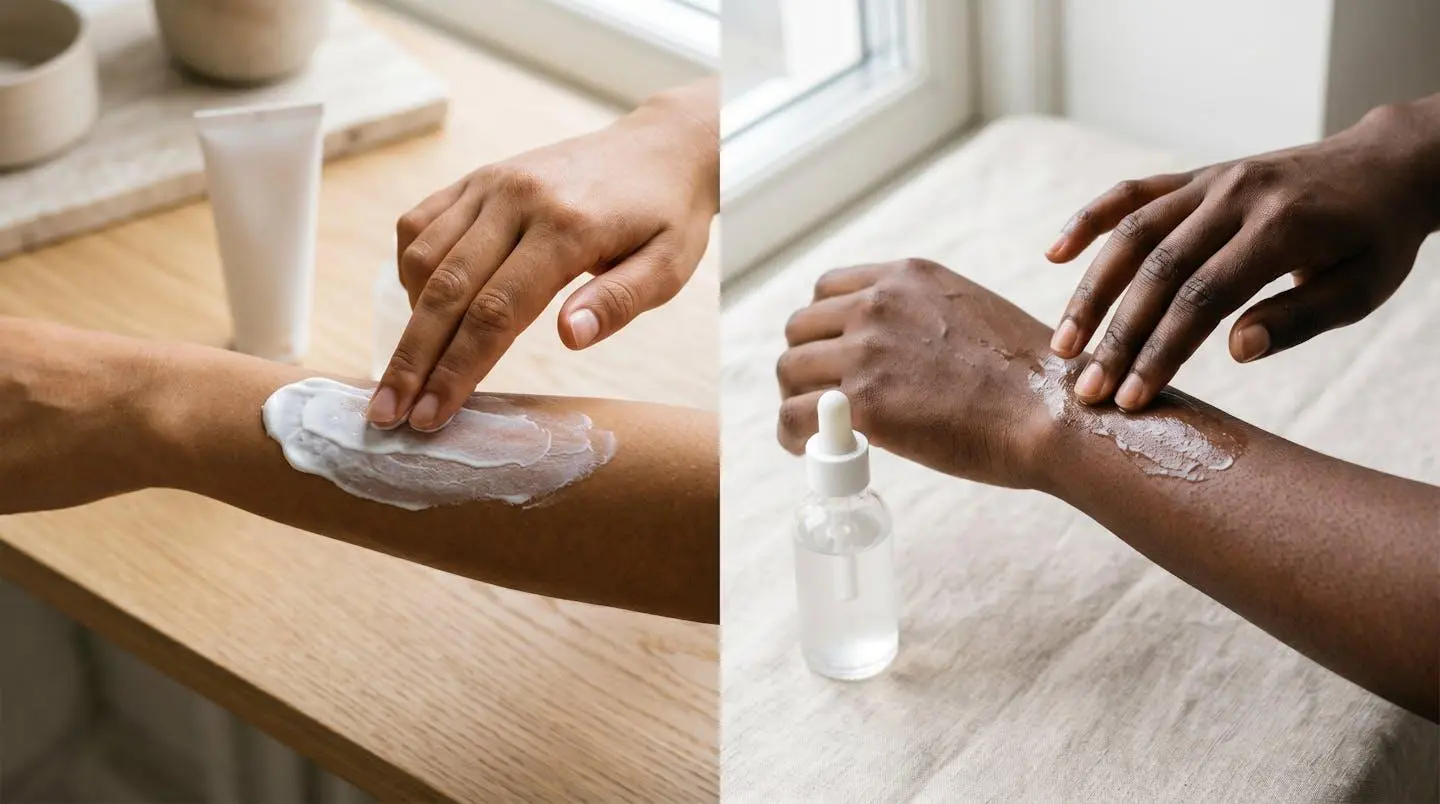
Zinc oxide and titanium dioxide are the only two mineral filters approved for use in cosmetic sunscreens under EU regulations. Both work by sitting on the skin surface and physically interacting with incoming UV radiation — absorbing, scattering and reflecting photons before they penetrate the stratum corneum. Zinc oxide is generally recognised as providing more comprehensive UVA coverage than titanium dioxide, which is predominantly effective in the UVB to short-UVA range. This makes zinc oxide the preferred mineral ingredient in formulations claiming genuine broad-spectrum protection.
The historical objection to mineral sunscreens — the notorious white cast — has been substantially addressed through micronisation: reducing particle size to sub-micron dimensions minimises visible scattering of visible light while preserving UV-blocking efficacy. However, the cosmetic gap between a well-formulated mineral sunscreen and a transparent chemical one remains measurable on deeper skin tones, which influences real-world adoption. The figures indicate that compliance with sunscreen application is strongly correlated with cosmetic acceptability, making this not merely an aesthetic concern but a public health consideration.
Which type suits different skin profiles?
- Generally better tolerated on sensitive and reactive skin
- Stable protection that does not degrade under UV exposure
- Recommended for infants and young children by dermatological associations
- White cast more visible on medium to deep skin tones
- Heavier texture that can feel occlusive in heat and humidity
- Titanium dioxide alone does not cover the full UVA spectrum
Dermatologists generally recommend mineral formulations for sensitive and reactive skin types, particularly for young children and individuals with conditions such as rosacea or post-procedure skin sensitivity. For adults seeking daily facial protection with a barely-there finish, well-stabilised chemical formulations — or hybrid products blending both filter types — tend to deliver superior cosmetic results without compromising protection efficacy when applied correctly and reapplied as directed.
Beyond SPF: understanding broad-spectrum and UVA ratings
SPF — Sun Protection Factor — measures a product’s ability to filter UVB radiation under standardised laboratory conditions. According to dermatologist-recommended sunscreen guidelines from the American Academy of Dermatology, an SPF 30 product blocks approximately 97% of UVB rays. Higher SPF values provide incrementally better UVB protection, though the difference diminishes at higher levels — the gap between SPF 30 and SPF 50 is smaller than the numbers suggest.
The more significant limitation of SPF as a standalone metric is what it does not measure: UVA protection. A product with SPF 50 but minimal UVA filtration leaves skin exposed to the radiation responsible for deep structural damage, pigmentation disorders, and a meaningful portion of skin cancer risk. This is why the EU framework requires sunscreens to carry a UVA circle logo, confirming that UVA protection reaches at least one-third of the SPF value — and why PA ratings (widely used in Asia) and PPD testing offer supplementary benchmarks for comparing products.
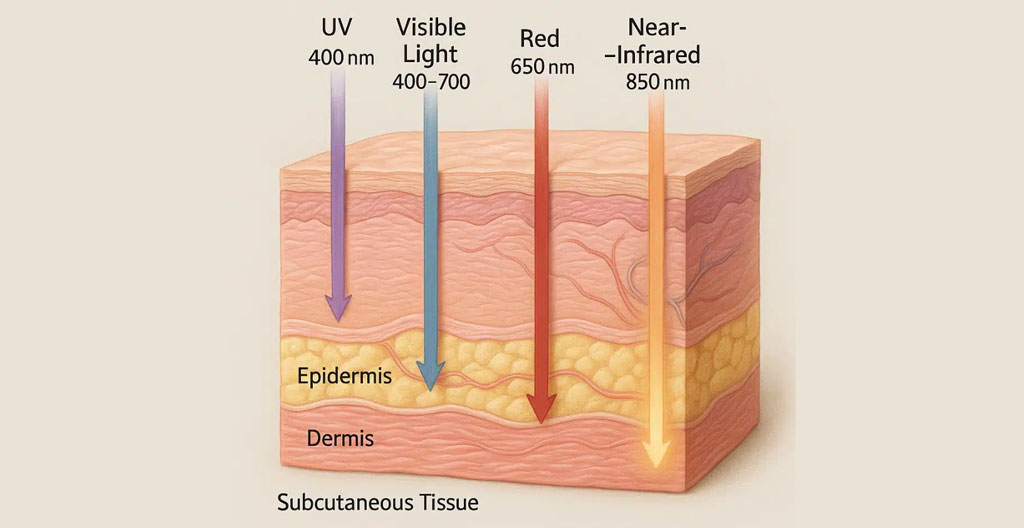
A practical scenario illustrates why this distinction matters. Consider a family spending a full beach day using a product with SPF 50 but no UVA circle certification. Their UVB protection is substantial — sunburn risk is well managed. Yet prolonged UVA exposure continues to generate oxidative damage in the deeper dermis throughout the day, with effects that accumulate invisibly over years. The absence of a sunburn does not signal the absence of UV damage, which is one of the most consistently misunderstood points in consumer sun protection behaviour.
Broad-spectrum certification: In the UK and EU, look for the UVA circle logo on the packaging — this confirms the product meets the minimum UVA-to-SPF ratio required under European Commission guidelines, providing meaningful protection across both UV bands.
Water resistance claims are similarly worth reading carefully. Ratings of 40 minutes or 80 minutes refer to the duration of maintained protection during water immersion under test conditions — not to indefinite protection during swimming. Health authorities, including guidance aligned with the WHO’s UV protection recommendations, consistently advise reapplying sunscreen every two hours during outdoor sun exposure, and immediately after towelling dry or heavy sweating — regardless of water-resistance claims on the label.
Advanced filter technologies reshaping sun protection
The binary framing of chemical versus mineral sunscreens has obscured a generation of filter innovations that sit outside this simple taxonomy. The development of new organic filters — particularly those engineered to address the ultra-long UVA gap — represents one of the most meaningful advances in sun protection science over the past decade. These technologies work by complementing rather than replacing conventional filter systems, adding targeted coverage in wavelength ranges that previous generations of sunscreens left unprotected.
400nm
Upper wavelength boundary covered by Mexoryl 400 — reaching the ultra-long UVA range that standard filters leave unaddressed
Mexoryl 400, an exclusive filter developed after years of dermatological research, specifically targets the 380–400 nm window — the ultra-long UVA band that most conventional sunscreen actives do not reach. Combined with the full suite of UVA and UVB filters in a complete formulation, Mexoryl 400 closes a protection gap that remained open in virtually all products available until its introduction. This is not an incremental improvement to SPF numbers but a qualitatively different class of coverage, addressing a spectrum of solar radiation that neither standard chemical nor mineral sunscreens adequately neutralise.
Alongside filter innovation, encapsulation technologies have transformed the application experience of high-performance sunscreens. Netlock technology, for instance, uses a micro-droplet encapsulation approach to trap UV filter molecules within an ultra-thin film on the skin surface. This architecture delivers two simultaneous benefits: the protection remains homogeneous even after movement, sweating or light contact, and the formula’s texture is dramatically lighter than concentrations of active ingredients would otherwise permit. The result — verified by the 98.2% of users in independent testing who reported no visible white marks — is a product that people are actually willing to apply in sufficient quantities and re-apply consistently.
Photostability, too, has been a central focus of formulation research. Newer filter combinations are engineered so that no single molecule degrades significantly during a standard day of outdoor exposure. This matters because a photounstable filter can not only lose its own efficacy but destabilise partner filters in the formula, creating a cascade effect that reduces protection faster than reapplication timing alone would suggest. Regulatory frameworks in the EU and UK have progressively tightened photostability requirements, raising the baseline standard for commercially available products over the past decade.
The convergence of advanced filter technology and sophisticated formulation platforms means that consumers today have access to protection levels that were technically unachievable even fifteen years ago. The practical implication is straightforward: selecting a product that incorporates these innovations — verified by broad-spectrum certification, water-resistance ratings, and documented filter stability — represents a measurable upgrade in real-world defence against UV-induced skin damage.
Choosing the right sunscreen: your practical checklist
Translating filter science into a purchase decision does not require a chemistry degree. The key variables are skin type, typical exposure context, and a small number of label indicators that carry genuine predictive value. The practice demonstrates that most sunscreen confusion stems not from lack of information but from marketing noise drowning out the two or three criteria that actually determine whether a product will perform.
- Confirm the UVA circle logo is present — this validates broad-spectrum coverage under EU standards
- Select SPF 30 minimum for daily use; SPF 50 for extended outdoor or high-altitude exposure
- For sensitive, reactive, or children’s skin: prioritise zinc oxide-based mineral formulations or dermatologically tested hybrids
- For water or sport activities: check for a water-resistance rating and plan to reapply after towelling dry
- Look for documented photostability — newer formulations with stabilised filter systems maintain protection throughout a full day of outdoor exposure
- Plan reapplication every two hours during outdoor exposure — regardless of SPF level or water-resistance claims
A common real-world scenario worth addressing: parents who apply a high-SPF product to their children at the start of a beach morning and assume coverage persists through hours of swimming, sand play and towel-drying. Based on guidance from the CDC’s skin cancer prevention resources, sunscreen is a key preventive measure against UV damage — but its protective function is contingent on correct application quantities and consistent reapplication. A technically superior product applied too thinly or not refreshed after water exposure will underperform a basic formulation used correctly.
Is a higher SPF always better?
Not in the way marketing often implies. SPF 30 blocks approximately 97% of UVB rays; SPF 50 blocks around 98%. The incremental difference is real but modest. What matters more is whether the product offers certified UVA protection, whether it is applied in sufficient quantity (typically 2 mg per cm²), and whether it is reapplied consistently. A well-applied SPF 30 with broad-spectrum certification outperforms a thinly applied SPF 50 without UVA coverage.
Can chemical sunscreens irritate sensitive skin?
Some individuals with sensitive or reactive skin report reactions to specific chemical filters, particularly fragranced formulations or products containing oxybenzone. Dermatologically tested, fragrance-free formulations with stabilised filter systems are generally well tolerated. If irritation is a consistent concern, mineral-based alternatives or hybrid formulations developed for sensitive skin offer a reliable fallback. Patch testing a new product before full-face application is a sensible precaution.
Do mineral sunscreens always leave a white cast?
Older mineral formulations did — micronised zinc oxide and titanium dioxide in modern products produce significantly less visible whitening, and many hybrid formulations have effectively eliminated it on lighter skin tones. On deeper skin tones, some residual cast may still be visible with pure mineral products, making hybrid or well-stabilised chemical formulations a more practical choice where cosmetic finish is a priority.
What makes ultra-long UVA protection different from standard broad-spectrum coverage?
Standard broad-spectrum certification confirms UVA protection up to approximately 370 nm. Ultra-long UVA rays (380–400 nm) sit beyond this threshold and are not captured by most conventional filter systems. Filters specifically engineered for this range, such as Mexoryl 400, address a gap in protection that accumulates silently over years of outdoor exposure — contributing to oxidative stress and deeper skin ageing that standard formulations leave unaddressed.
Understanding the distinctions between sunscreen types — and knowing which questions to ask when reading a label — transforms an overwhelming purchase into a confident, informed choice. Whether you prioritise the gentle tolerance of mineral filters, the refined texture of advanced chemical systems, or the comprehensive coverage of next-generation technologies, the right product is the one that you will apply generously and reapply consistently throughout your sun exposure.
This content is provided for informational purposes and does not constitute medical advice. Consult a qualified healthcare professional or dermatologist for personalised sun protection recommendations.